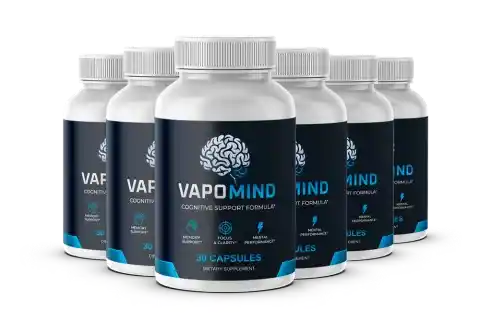
When you search for a brain supplement, you encounter hundreds of products making similar claims. The difference between a vapomind review that gives you useful information and generic marketing copy is specificity — exactly what does each ingredient do, at what level of biological mechanism, and what does the peer-reviewed research actually show?
This guide breaks down all six VapoMind™ ingredients with that specificity. No vague promises. Just mechanism, evidence, and practical implications for your daily cognitive performance.
VapoMind™ Benefit 1: Sharper Memory Recall — Bacopa & Alpha-GPC
Memory is not a single function — it involves encoding (getting information in), consolidation (stabilizing it overnight), and retrieval (pulling it back out when needed). VapoMind targets all three sub-processes through two complementary mechanisms.
Bacopa Monnieri and Synaptic Plasticity
Bacopa Monnieri has been used in Ayurvedic medicine for centuries, but its cognitive mechanisms are now well-characterized in clinical research. The active compounds — bacosides A and B — promote dendritic arborization: the physical branching of neural dendrites that form the synaptic connections where memories are stored.
A landmark study published in Neuropsychopharmacology found that Bacopa significantly improved verbal learning rate, memory consolidation, and speed of visual information processing compared to placebo after 12 weeks. The National Institutes of Health review of Bacopa research confirms its classification as a cognitive-enhancing adaptogen with an excellent safety profile.
Alpha-GPC and the Acetylcholine System
Alpha-GPC (alpha-glycerophosphocholine) is the most bioavailable form of choline available in supplement form. Once absorbed, it rapidly crosses the blood-brain barrier and is converted to acetylcholine — the primary neurotransmitter governing attention, learning, and working memory.
Acetylcholine deficiency is closely linked to age-related cognitive decline. In fact, most Alzheimer's medications work by slowing acetylcholine breakdown (cholinesterase inhibitors), which underlines how central this neurotransmitter is to memory function. Alpha-GPC elevates acetylcholine levels through the supply side — by providing more choline for biosynthesis — making it one of the most validated nootropic ingredients in clinical literature.
Get VapoMind™ — Memory & Focus Formula →VapoMind™ Benefit 2: Sustained Focus Without Stimulants — Rhodiola Rosea
Most focus supplements rely on caffeine, L-theanine, or synthetic stimulants to temporarily override cognitive fatigue. The problem with this approach is dependency, tolerance, and the inevitable afternoon crash. VapoMind takes a different path: addressing the underlying physiology that makes focus difficult in the first place.
How Rhodiola Rosea Supports Uninterrupted Concentration
Rhodiola Rosea is a Nordic adaptogenic herb with an unusually robust clinical evidence base for cognitive applications. Its primary mechanisms in the context of focus include:
- Dopamine pathway support: Rhodiola's rosavins and salidroside inhibit monoamine oxidase enzymes that break down dopamine and serotonin — keeping these focus-critical neurotransmitters elevated longer.
- ATP synthesis optimization: Rhodiola improves mitochondrial efficiency in neurons, producing more cellular energy without stimulating the adrenal system.
- Beta-endorphin modulation: This reduces the subjective experience of mental fatigue, allowing concentration to continue past the point where it would normally break down.
Clinical trials have specifically studied Rhodiola in high-stress, high-cognitive-demand populations — military cadets, medical students, and burnout patients — consistently showing reduced mental fatigue and improved task performance. The NIH-indexed clinical review of Rhodiola Rosea concludes it is safe for repeated use and effective for stress-induced cognitive fatigue.
VapoMind™ Benefit 3: Clearer Thinking & Less Brain Fog — Ginkgo & PS
Brain fog is one of the most common cognitive complaints — a persistent sense of mental haziness, slow processing, and difficulty forming clear thoughts. Its causes are multiple, but two of the most common biological drivers are poor cerebral circulation and degraded neuronal membrane function.
Ginkgo Biloba: Improving Blood Flow to the Brain
Ginkgo Biloba's primary cognitive mechanism involves improved cerebrovascular circulation. The brain receives approximately 20% of the body's total blood supply despite accounting for only 2% of body weight. Even modest reductions in cerebral perfusion can impair processing speed, working memory, and executive function.
Ginkgo's flavonoid glycosides and terpenoids dilate blood vessels, reduce platelet aggregation, and act as antioxidants against free radical damage to endothelial cells. Johns Hopkins Medicine notes Ginkgo Biloba's long-standing use in cognitive wellness and its studied relationship to cerebral blood flow. The National Center for Complementary and Integrative Health (NCCIH) provides an evidence summary noting its widespread investigation for cognitive outcomes.
Phosphatidylserine: The Neuronal Membrane Compound
Phosphatidylserine (PS) is a phospholipid that forms a critical component of cell membranes in neurons. It maintains membrane fluidity — the property that determines how rapidly ion channels open and close for electrical signaling. As PS levels decline with age, neuronal signal transmission slows, contributing directly to slower processing and reduced mental clarity.
Phosphatidylserine is one of the few nootropic ingredients to receive a Qualified Health Claim from the FDA, which states that "consumption of phosphatidylserine may reduce the risk of cognitive dysfunction in the elderly." This makes it one of the most regulatory-recognized compounds in the vapomind formula.
VapoMind™ Benefit 4: Long-Term Neuroprotection — Lion's Mane Mushroom
Among all six VapoMind ingredients, Lion's Mane Mushroom has perhaps the most compelling profile for long-term brain health. While other ingredients improve immediate cognitive performance, Lion's Mane targets the structural biology of neuronal survival and growth.
NGF and BDNF: The Proteins That Keep Your Brain Young
Nerve Growth Factor (NGF) and Brain-Derived Neurotrophic Factor (BDNF) are proteins that act as growth hormones for neurons. They regulate:
- Neuron survival and maintenance
- Synaptogenesis (the formation of new synaptic connections)
- Neurogenesis in the hippocampus (the brain's memory center)
- Protection against apoptosis (programmed neuronal cell death)
NGF and BDNF levels naturally decline with age — a process closely associated with the progressive memory and learning difficulties seen in aging populations. Lion's Mane contains two unique groups of compounds — hericenones and erinacines — that have been clinically shown to cross the blood-brain barrier and stimulate NGF synthesis in neurons.
A 2009 clinical trial published in Phytotherapy Research found that subjects taking Lion's Mane extract showed significantly improved cognitive scores on standard assessments after 16 weeks compared to placebo. When supplementation stopped, scores returned toward baseline — confirming that Lion's Mane's benefits require continued use. The NIH research index on Lion's Mane and NGF documents the growing body of evidence in this area.
The Alzheimer's Association actively funds research into NGF-stimulating compounds as potential neuroprotective strategies — underscoring the importance of Lion's Mane's mechanism in the context of long-term cognitive health.
Want Long-Term Brain Protection?
Lion's Mane, Bacopa, and Phosphatidylserine in VapoMind require consistent daily use to build neuroprotective benefits. The 6-bottle supply ensures uninterrupted supplementation at the best price.
Get the 6-Bottle Supply — $49/bottle →VapoMind™ Benefit 5: Stress Resilience & Cortisol Control — Rhodiola Rosea
Chronic psychological stress is one of the most damaging forces acting on the human brain. Sustained high cortisol levels shrink the hippocampus (your memory center), impair prefrontal cortex function (your decision-making center), and accelerate neurodegeneration. Managing the stress response isn't just about feeling calmer — it directly protects cognitive performance and long-term brain health.
How Rhodiola Regulates the Stress Response
Rhodiola Rosea works on the Hypothalamic-Pituitary-Adrenal (HPA) axis — the cascade of signals between your brain and adrenal glands that governs cortisol release. Specifically:
- Rhodiola's salidroside compound normalizes stress hormone release, preventing excessive cortisol spikes
- It increases the activity of antioxidant enzymes that neutralize oxidative stress in neurons caused by cortisol
- It helps restore optimal levels of serotonin and norepinephrine, which are depleted by chronic stress
This is why many VapoMind users note that they feel "mentally calmer but more alert" — a state sometimes called "relaxed concentration." It is the opposite of the jittery alertness produced by caffeine, and it occurs because Rhodiola is addressing the stress-related interference with cognitive function rather than artificially stimulating the brain.
VapoMind™ Benefit 6: Clean Mental Energy — No Caffeine, No Crash
One of the most consistent themes in VapoMind user reports is "clean energy" — mental alertness and drive that doesn't involve the cardiovascular stimulation, anxiety, or afternoon crash that caffeine produces. Understanding why requires looking at cellular energy metabolism in neurons.
Mitochondrial Efficiency and Cognitive Energy
Neurons are exceptionally energy-intensive cells. The brain consumes approximately 20% of the body's total oxygen supply. When mitochondrial efficiency declines — due to oxidative damage, inflammation, or nutritional deficiency — neurons generate ATP less efficiently, producing what we experience as mental fatigue, slow processing, and poor working memory.
VapoMind's formula supports mitochondrial health through multiple mechanisms. Alpha-GPC provides the choline necessary for phospholipid synthesis in mitochondrial membranes. Phosphatidylserine maintains the membrane integrity that mitochondria require for efficient electron transport. Rhodiola's anti-inflammatory properties reduce the oxidative load on neuronal mitochondria. The result: neurons that produce ATP more efficiently — delivering sustained mental energy without stimulant side effects.
This multi-target approach to cellular energy is why VapoMind users frequently describe the energy they feel as "different" from caffeine — more like their brain operating at full capacity rather than being artificially pushed past a limitation.
Why VapoMind™'s Multi-Ingredient Formula Outperforms Single Compounds
A critical insight about VapoMind's formula is that the benefits compound when ingredients work together. This is called synergistic formulation — and it's the difference between a sophisticated multi-pathway nootropic and a single-herb capsule.
Here is how VapoMind's ingredients amplify each other:
| Ingredient Pair | Synergistic Effect |
|---|---|
| Bacopa + Alpha-GPC | Bacopa grows the synaptic structures; Alpha-GPC fills them with acetylcholine — both necessary for optimal memory function |
| Ginkgo + Phosphatidylserine | Ginkgo delivers more blood to neurons; PS ensures those neurons can process signals rapidly — together they clear brain fog more effectively than either alone |
| Lion's Mane + Bacopa | Lion's Mane builds new neural architecture; Bacopa strengthens the synaptic connections within it — long-term structural and functional memory support |
| Rhodiola + Alpha-GPC | Rhodiola reduces cortisol that degrades acetylcholine production; Alpha-GPC replenishes it — focus maintenance under stress |
This synergy is why the vapomind formula produces results that individual ingredients rarely match on their own — and why the research on multi-ingredient nootropic stacks consistently outperforms single-compound trials.
→ Learn How to Order VapoMind SafelyRelated VapoMind Resources
- VapoMind Home — Ingredients, Pricing & Overview
- How to Order VapoMind — Package Comparison & Safety Guide
VapoMind Benefits — Frequently Asked Questions
VapoMind delivers six distinct, ingredient-specific cognitive benefits: sharper memory recall (Bacopa + Alpha-GPC), sustained focus without stimulants (Rhodiola), reduced brain fog and clearer thinking (Ginkgo + Phosphatidylserine), long-term neuroprotection and neuroplasticity (Lion's Mane), cortisol-mediated stress resilience (Rhodiola), and clean cellular mental energy (multi-ingredient synergy). Each benefit maps to a specific, research-backed biochemical mechanism.
Timeline varies by ingredient mechanism. Alpha-GPC can produce noticeable acetylcholine-related improvements in focus within the first week. Rhodiola's adaptogenic effects on stress and fatigue are typically noticeable within 2 weeks. Bacopa Monnieri and Lion's Mane show their most significant benefits at 6–12 weeks as they build structural neurological changes. The full vapomind benefit stack develops over a 90-day commitment.
Yes — VapoMind addresses two of the primary biological causes of brain fog: poor cerebral circulation (improved by Ginkgo Biloba) and degraded neuronal membrane function (addressed by Phosphatidylserine). Many users report a noticeable "clearing" sensation within 2–3 weeks of consistent daily use.
Yes. Rhodiola Rosea in VapoMind directly addresses stress-induced cognitive decline by regulating the HPA axis and cortisol production. Chronic high cortisol is a documented driver of hippocampal shrinkage, impaired working memory, and poor executive function. VapoMind is not a treatment for clinical anxiety or PTSD — for those conditions, please consult a mental health professional.
Yes. Each of VapoMind's six ingredients has documented clinical research supporting its specific mechanism. Bacopa, Rhodiola, Ginkgo, Phosphatidylserine, Lion's Mane, and Alpha-GPC all have human clinical trials indexed on PubMed and reviewed by NIH agencies. The specific formulation as a combined stack has not been independently studied in a double-blind RCT — which is standard for most supplement blends.